
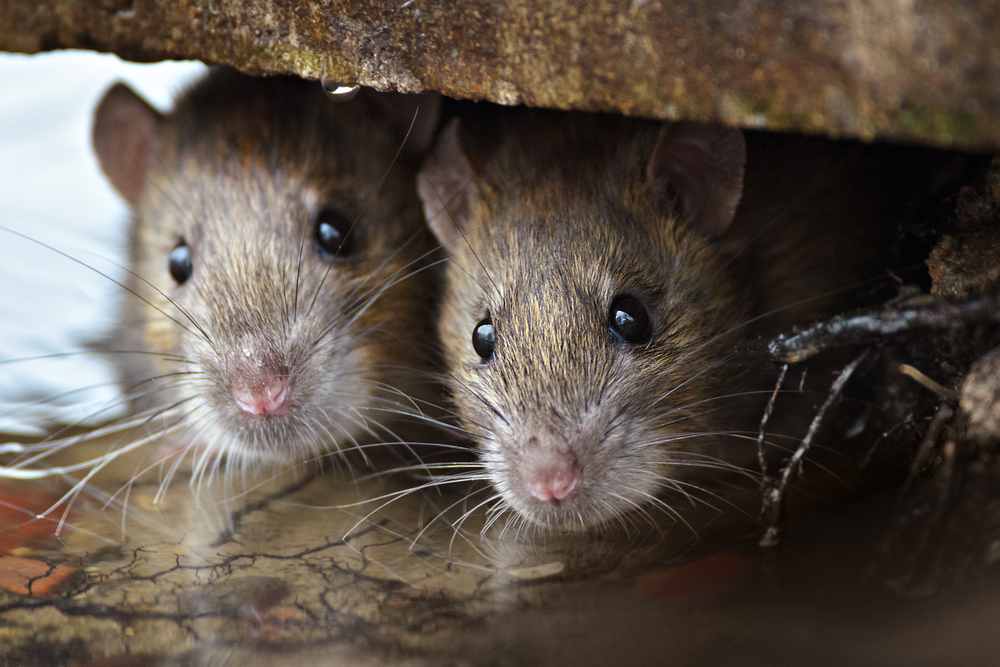

Rodents, while small, can create significant problems in both residential and commercial spaces. Understanding and controlling these pests is essential to prevent damage and health risks associated with their presence.
Rodents such as mice and rats are known for their ability to multiply quickly and adapt to various environments, making effective management strategies crucial. This guide will show the behaviours and characteristics of common rodents, providing insight into why they may choose to invade your space.
We will discuss a variety of methods to effectively control and reduce rodent populations, ensuring your environment remains safe and sanitary. From preventative measures to targeted eradication techniques, learn how to maintain a rodent-free space effectively.
Key Takeaways
- To keep rodents away, seal up any small openings in your home and make sure food is stored properly.
- Setting traps in places where you’ve noticed a lot of rodent activity can help catch them. Just remember to check the traps regularly.
- Cleaning up your yard by cutting back overgrown plants and removing junk stops rodents from finding good spots to hide or make their nests.
- If you have a serious rat or mouse problem, getting help from professionals who know how to handle these pests might be the best way to go.
- Using nature’s methods, like introducing animals that hunt rodents into your area, can also play a part in controlling the rodent population without using harsh chemicals.
Identifying and Understanding Common Rodent Infestations
Identifying and understanding common rodent infestations is crucial for effectively managing these pests. Key indicators of an infestation include finding droppings, which are typically small and dark, noticing gnawing marks on furniture, baseboards, or food packaging, and discovering nesting materials like shredded paper, fabric, or dried plant matter.
These signs not only signal the presence of rodents but also help pinpoint their activity zones within your home. Understanding the specific behaviour and habits of rodents, such as their nocturnal nature and preference for dark, secluded areas, further aids in determining their likely hiding spots and breeding grounds.
Knowing where rodents are most likely to dwell helps in targeting these areas for cleanup and setting up traps or baits effectively. Implementing such targeted control measures informed by your understanding of rodent behaviour can significantly enhance the success of eradication efforts.
Overall, a well-informed approach is essential in not just eliminating current infestations but also in preventing future invasions.

Rodent Identification
We need to start with knowing which rodents have invaded our spaces. Mice and rats are the main culprits in Australia, each leaving distinct signs of their presence. Mice are small, with pointed noses and long tails, while rats are larger, with blunter snouts.
Droppings provide a clear indication; mouse droppings are tiny and pointed at both ends, whereas rat droppings are thicker and blunt. Identifying these differences is crucial for effective rodent management.
The first step in vermin control is recognising the enemy. Size and droppings tell us a lot about whether we’re dealing with mice or rats.
We also look for gnaw marks on furniture or wires, greasy rub marks along walls where rodents travel, and nests made from shredded materials in secluded areas. These signs help us pinpoint infestation locations for targeted rodent extermination efforts.
Rodent Behavior and Habits
Rodents are primarily nocturnal creatures, which means they are active during the night. They tend to seek out food and water sources close to their nests. This can lead them into homes and buildings, especially if these resources are readily available.
Rodents are adept climbers and can squeeze through small openings due to their flexible skeletons. Their gnawing behaviour not only allows them access to structures but also serves to keep their teeth from growing too long.
They have a highly developed sense of smell and use pheromones to communicate with each other. By understanding these behaviours, homeowners and pest control professionals can better identify potential entry points for rodents into homes or buildings, as well as target areas where they may have established nests or trail paths.
Health Risks
Rodents pose significant health risks, carrying diseases that can be transmitted to humans. Diseases such as leptospirosis, hantavirus, and salmonellosis are commonly associated with rodent infestations.
These diseases can be spread through direct contact with rodents or their droppings, urine, or saliva. Airborne particles from rodent faeces can also lead to respiratory issues when inhaled.
Pest inspectors and homeowners must remain vigilant about the potential health hazards posed by rodent infestations. It’s crucial to address any signs of a rodent presence promptly to mitigate the risks associated with these pests.
Controlling Rodent Populations
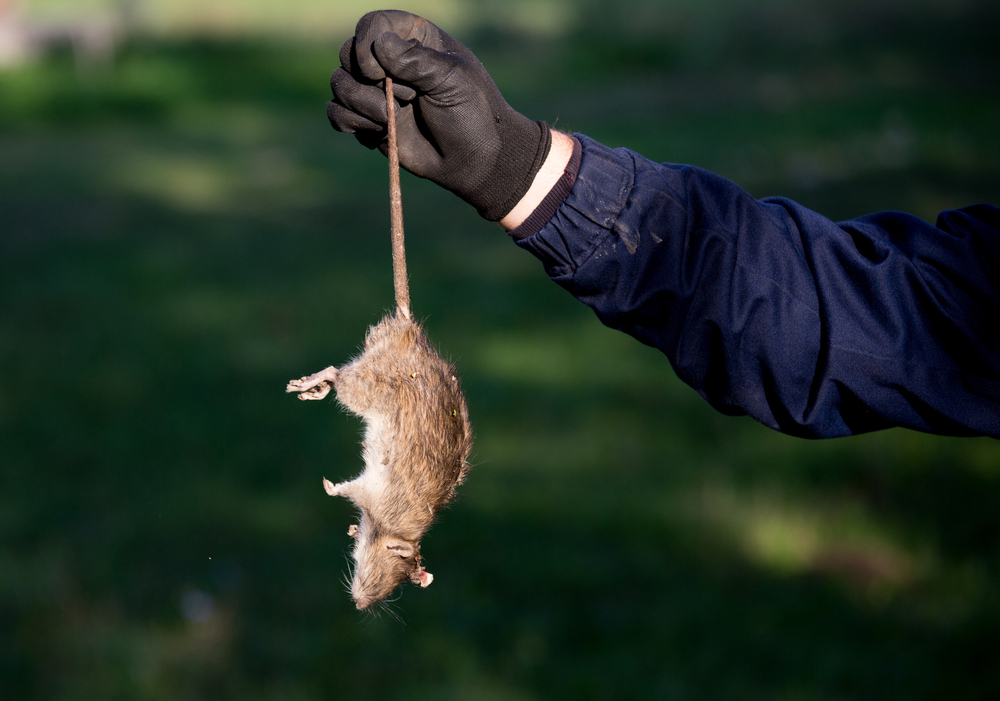
Controlling rodent populations in your space requires a comprehensive and proactive approach, starting with effective prevention measures. One of the most important steps is sealing potential entry points, such as cracks in the walls, gaps around windows, and holes near utility pipes, which can deter rodents from entering your home or business.
Keeping the environment clean by regularly disposing of garbage, storing food in sealed containers, and eliminating clutter can also significantly reduce the appeal of your space to rodents. Implementing trapping strategies is highly effective in managing existing rodent populations.
A variety of traps, including snap traps, live traps, and glue boards, can be used depending on the specific needs and ethical considerations of the situation. Exclusion techniques, which involve creating physical barriers to keep rodents out, further enhance your control efforts and help maintain a rodent-free environment.
By integrating these methods, you can effectively reduce and manage rodent populations, ensuring a safer and healthier living or working space.
Prevention
When dealing with rodent infestations, we must focus on prevention. Here are key strategies to prevent and control rodent populations in your space:
- Seal all entry points around your home, including cracks, holes, and gaps in walls and windows.
- Keep food stored in airtight containers and clean up any spills promptly to remove potential food sources for rodents.
- Maintain a tidy outdoor environment by trimming overgrown vegetation and removing clutter that could provide hiding spots for rodents.
- Install wire mesh screens on vents and chimneys to prevent rodent entry into your building.
- Regularly inspect your property for signs of rodent activity such as droppings, gnaw marks, or nests.
Implementing these preventive measures can effectively manage and control rodent populations in your space.
Trapping and Exclusion
Trapping and exclusion are essential steps in pest management. Here’s how we can effectively control rodent populations:
- Keep the area clean and remove potential food sources to discourage rodents from nesting.
- Seal all entry points, including small gaps and holes, to prevent rodents from entering the space.
- Set up traps strategically in areas where rodent activity is high, using baits to attract them.
- Regularly check and empty traps to maintain their effectiveness.
- Consider professional assistance for more complex infestations or long-term management.
By implementing these strategies, we can successfully control and reduce rodent populations in our spaces.
Use of Natural Predators
We can employ natural predators to manage rodent populations in our spaces. Introducing predators such as cats or dogs can help deter rodents from inhabiting the area. By embracing nature’s balance, we encourage a sustainable and environmentally friendly approach to pest control.
Introducing natural predators like owls or snakes into the environment has proven effective in managing rodent populations. Observing and learning from nature’s ecosystem provides valuable insights into controlling vermin without resorting to harmful chemical solutions.
Professional Pest Control Services
When dealing with tough and persistent rodent infestations, professional pest control services can provide effective solutions. Our team is equipped with the knowledge and tools to tackle even the most challenging vermin management issues.
From thorough inspections to tailored eradication strategies, we are here to assist homeowners, building inspectors, and pest inspectors in achieving pest prevention and wildlife management goals.
Whether it’s rodent removal or pest elimination, our expertise ensures meticulous outcomes that align with your needs.
Pest mitigation requires a comprehensive approach, which is where our professional pest control services come into play. With a focus on proactive measures such as pest prevention and infestation prevention techniques, we aim to create environments free from pests while underpinning wildlife elimination efforts.
Call Us!
To effectively control rodent populations in your space, it is crucial to understand their behaviour, habits, and health risks they pose. Identifying common infestations and implementing prevention methods such as sealing entry points and removing potential food sources can significantly reduce the likelihood of an infestation.
Trapping and exclusion techniques are also effective in minimising rodent populations. Considering the use of natural predators or seeking professional pest control services may be necessary for severe infestations.
By being proactive and taking appropriate measures, Australians can successfully mitigate any potential issues with rodents in their homes or buildings.