
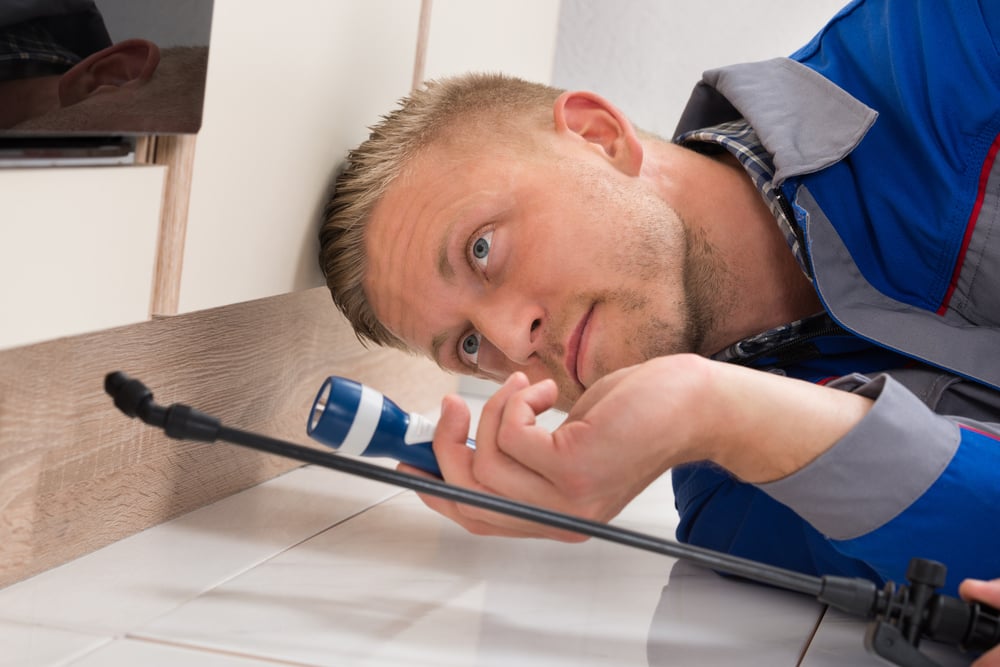

Detecting and assessing pest infestations effectively requires a thorough understanding of the signs and how to evaluate them correctly. Homeowners must be vigilant, recognising early warnings such as odd smells, droppings, or visible damage to structures that may indicate the presence of pests.
This guide provides in-depth knowledge and practical tips to help you identify and understand the scope of pest infestations in your home. With accurate detection and assessment skills, you can determine the most appropriate steps to take, whether addressing the problem yourself or enlisting professional help.
Knowing what to look for and how to interpret these signs empowers you to maintain a pest-free home. Join us as we explore the essential strategies for effectively finding and evaluating pest issues.
Key Takeaways
- Keep an eye out for early signs of pest infestations, like droppings, unusual smells, and damage to structures. Catching these signs early can help you tackle the problem before it worsens.
- Use a mix of methods to prevent pests from entering your home. This includes sealing up cracks and holes in walls, storing food properly, and keeping your space clean and clutter-free.
- Regularly inspect your house for pest activity. Pay special attention to the bedroom, furniture, and dark or damp areas where pests might hide or be attracted to.
- Natural remedies can be effective against certain pests like ants and mosquitoes. However, for more serious problems like cockroaches or termites, you might need stronger tactics or professional help.
- Take action immediately if you spot any signs of infestation. Whether it’s using baits for cockroaches or calling a professional for termites, dealing with pests quickly is crucial for protecting your health and home.
The Importance of Pest Inspections
Detecting and preventing pest infestations are key to protecting your property and health from the diverse threats common household pests pose. Regular pest inspections are crucial as they help identify signs of infestation early, allowing for prompt and effective treatments to prevent the extensive damage and health risks associated with pests.
Common household pests such as termites can compromise the structural integrity of your home, while rodents and cockroaches are known to carry diseases that can affect human health. By conducting these inspections periodically, you not only catch problems before they escalate but also maintain a living environment that is safe and pest-free.
Pest control professionals use their expertise and specialised equipment to thoroughly assess your home and implement the necessary measures to ward off any potential pest threats. Additionally, these inspections can provide peace of mind by ensuring that proactive steps are taken to protect your property and health over the long term.
A small investment in regular pest inspections can save you significant money and trouble by preventing larger infestations and ensuring your home remains a healthy place to live.
Detect and Prevent Pest Infestations
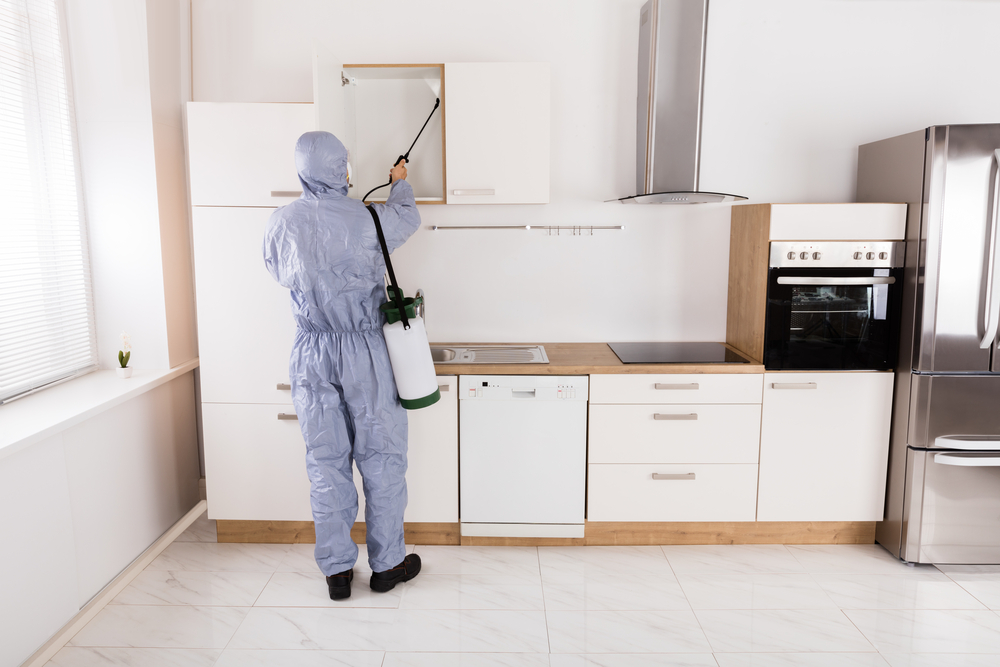
We always keep an eye out for signs of potential pest infestations to protect our homes and health. Spotting these early can save us a lot of trouble down the line. We check for droppings, listen for unusual noises in walls, and look out for damage to wooden structures. These actions help us identify pest problems quickly.
To prevent these infestations, we seal up cracks and holes in our home’s exterior. We ensure that food is stored properly and that rubbish bins are tightly sealed. Regular cleaning helps us monitor pests effectively, preventing them from becoming a bigger issue in our homes.
Health and property protection
Protecting your property and health requires vigilance against potential pest infestations. Regular monitoring and swift action are essential to ensure the safety of your home and family.
By identifying signs of infestation early on, such as strange odours or unexplained stains, we can take proactive steps to prevent pests from causing damage or posing health risks. Homeowners and building inspectors must work together in this ongoing effort, using effective pest control methods to keep properties free from harm.
Vigilance is important when it comes to protecting our homes from pest infestations. By staying alert and taking prompt action, we can safeguard our property and well-being.
Types of pests commonly found in homes
Common pests found in Australian homes include ants, cockroaches, rodents, termites, and spiders. These pests can quickly infest properties and pose health risks to occupants. Ants are often found foraging for food in kitchens and bathrooms, while cockroaches thrive in warm and moist areas.
Rodents seek shelter inside walls or attics, spreading diseases through their droppings. Meanwhile, termites cause structural damage by feeding on wood and can be challenging to detect without professional help.
Spiders also make homes in dark corners or undisturbed spaces, occasionally posing a threat with their venomous bites.
How to Detect Pest Infestations

Vigilance in detecting signs of pest infestations during regular housekeeping routines is crucial in maintaining a pest-free environment. It’s important to be alert to stains on fabrics and walls, or unusual smells, as these can indicate the presence of pests such as cockroaches or rodents.
Regular inspections of your home are essential, especially in areas like bedrooms and living spaces where furniture provides an ideal hiding spot for these critters. Tapping or knocking on walls and other structures can also help in detecting hollow sounds, a telltale sign of termites or other wood-boring insects that might be damaging the structural integrity from within.
Pay particular attention to corners, baseboards, and behind furniture, as pests tend to prefer these secluded areas. Additionally, check under sinks, appliances, and other damp areas for signs of moisture, as this can attract pests and support their breeding.
By being thorough and methodical in these checks, you can catch infestations early and take timely steps to address them, safeguarding your home from potential damage and health risks associated with pests.
Regular home checks
Regular home checks are an essential part of maintaining a pest-free environment. They allow us to stay proactive in identifying and addressing potential pest infestations before they become unmanageable. Here are key areas to focus on during regular home checks:
- Inspect the exterior of the property for any cracks, gaps, or openings that pests could use to enter.
- Check for any signs of pest activity around foundations, windows, and doors.
- Ensure proper drainage to prevent water accumulation which can attract pests.
- Regularly clean gutters and remove any debris that could harbour pests.
- Trim back vegetation and overhanging branches away from the house to limit pest access.
Regular home checks not only aid in early detection but also play a crucial role in preventing potential infestations and safeguarding our properties against damage caused by pests.
Signs to look out for during housekeeping
As homeowners and inspectors, we should constantly remain vigilant for signs of pest infestations during routine housekeeping. These signs might include:
- Droppings or urine stains in hidden areas
- Chewed or gnawed food packaging or structural materials
- Peculiar odors such as musty or urine-like smells
- Scratching noises within walls or ceilings
- Shed skins, wings, or egg casings in undisturbed areas
- Spotted sightings of live insects or rodents
Remaining observant of these indicators is crucial in ensuring the early detection and prevention of pest infestations on our properties.
Observing stains and unusual smells
Keep an eye out for stains and unusual smells as these could indicate a pest problem. Stains from urine or droppings are telltale signs of pests, while peculiar odours could suggest the presence of rodents or insects.
It’s important to regularly inspect areas prone to moisture, such as kitchens and bathrooms, where mouldy smells may point to water damage or hidden infestations. By being attentive to such indicators, we can promptly address and resolve potential pest issues in our properties.
Regularly check for stains and unusual odours in various parts of your property. Whether it’s a musty smell in the basement or mysterious spots on walls and floors, vigilance can help identify and tackle pest infestations early on.
Knocking and tapping on walls and structures
Inspecting for pest infestations involves thorough techniques such as knocking and tapping on walls and structures to detect any signs of pest activity. By actively listening for hollow sounds or rustling noises, we can identify potential areas where pests may be hiding or causing damage.
This method is especially effective in identifying the presence of termites, as their tunnelling behaviour often creates telltale hollow-sounding wood.
Paying close attention to bedroom walls, wooden furniture, and structures susceptible to termite damage is crucial for early detection. Regularly incorporating this practice into our pest inspection routine helps us proactively address infestations before they escalate, safeguarding properties from extensive damage caused by pests.
Attention to bedroom and furniture
When inspecting for pest infestations, we emphasise paying attention to the bedroom and furniture. These areas are commonly targeted by pests such as bed bugs, dust mites, and carpet beetles.
Regularly check for signs of infestation like shed skins, faecal spots, or a musty odour in your bedroom and around furniture. Make sure to thoroughly examine seams, crevices, and any dark hiding places where pests could be lurking.
In addition to regular inspections, it’s vital to keep these areas clean and clutter-free. Vacuuming mattresses and upholstery regularly can help prevent pest problems before they escalate.
How to Assess and Handle Infestations
Eradicating cockroaches promptly is crucial as they reproduce quickly and can soon lead to a larger infestation, which is harder to control and poses significant health risks due to their ability to spread bacteria and parasites. It is essential to address any signs of cockroaches, such as droppings or sightings of live or dead cockroaches, immediately.
Employing natural remedies can be an effective strategy for controlling ants and mosquitoes, which are also common household pests. For example, using diatomaceous earth can help in managing ant infestations by dehydrating the insects, while citronella, eucalyptus oil, or garlic sprays can serve as natural repellents for mosquitoes.
These methods not only help keep these pests at bay but also offer a safer alternative to chemical pesticides, making them ideal for households with pets or children. Regularly assessing your home for any signs of these pests and addressing any issues promptly helps maintain a healthier living environment.
Implementing a combination of preventative measures and active eradication strategies will ensure effective control over these common pests, safeguarding your home from potential damage and health issues.
Eradicating cockroaches before they multiply
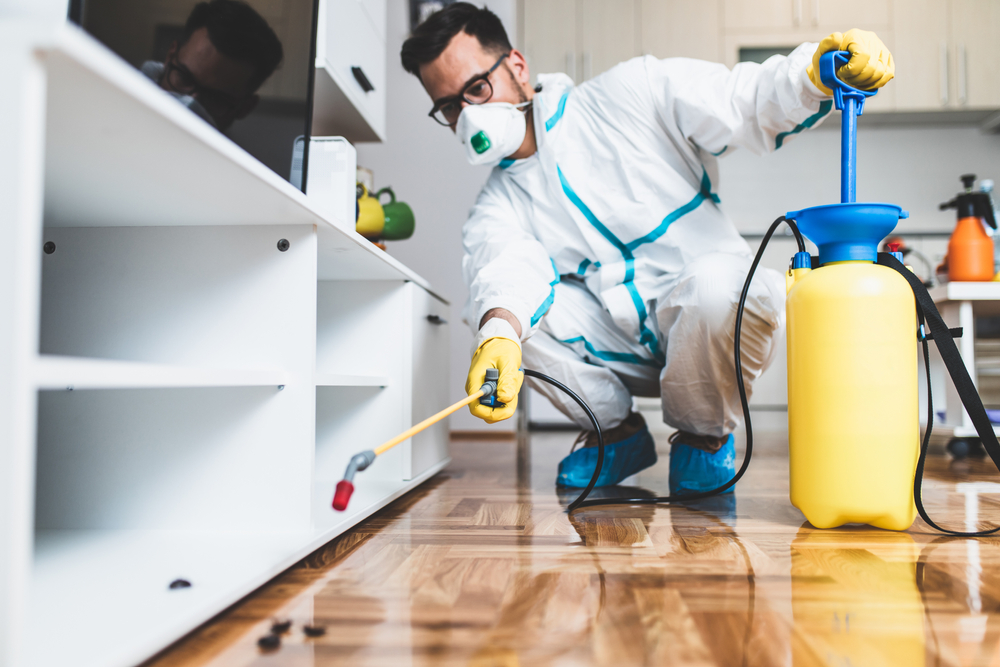
To eradicate cockroaches before they multiply, we recommend using a combination of strategies. Start by keeping your kitchen and dining areas clean to deter them from settling in. Regularly emptying garbage cans and sealing food containers can help prevent infestations.
Additionally, use bait stations or gels to target specific areas where roaches are active. Consider removing clutter where cockroaches may hide and breed, such as piles of newspapers or cardboard boxes. Lastly, inspect your home for any cracks or crevices and seal them to prevent roaches from entering.
Inspectors should thoroughly examine all potential hiding spots for signs of cockroach activity during pest inspections. Look for droppings, egg casings, marks caused by their feces or regurgitated fluid, and a musty odour that indicates an infestation is present.
Preventing termite damage
To prevent termite damage, we recommend keeping wood and soil away from your house’s foundation. Regularly inspect wooden structures for any signs of moisture or decay, as termites are attracted to damp areas.
Additionally, ensure your property is well-ventilated and fix any leaks promptly to avoid creating a conducive environment for termites. By maintaining a dry and well-maintained home, you can significantly reduce the risk of termite infestations.
When it comes to landscaping, keep shrubs and vegetation trimmed away from the exterior walls of your property. This prevents direct contact between plant life and your home, which could provide pathways for termites to enter.
Natural remedies for ants and mosquitoes
Natural remedies for ants and mosquitoes can be effective in managing infestations without resorting to harsh chemicals.
- Use vinegar or lemon juice as a natural ant repellent by spraying in affected areas.
- Sprinkle cinnamon, mint, or cloves near entry points to deter ants from entering your home.
- Plant mosquito-repellent herbs like lavender, basil, or citronella around your property.
- Install mosquito nets on windows and doors to prevent their entry into living spaces.
Remember that these natural remedies can be used in conjunction with other pest control methods for a comprehensive approach.
Taking immediate action for effective pest control
To address pest infestations effectively, it is crucial to take immediate action. Here are some steps to consider:
- Identify the type of pest infestation present on your property, whether it’s cockroaches, ants, mosquitoes, or termites.
- Utilise appropriate pest control methods based on the specific pest infestation. For example, for cockroach eradication, use targeted insecticides and baits.
- Implement natural remedies as an initial step for managing ant and mosquito invasions.
- Prioritise preventing termite damage through regular inspections and timely maintenance.
- Seek professional assistance if the infestation is severe or persistent to ensure effective long-term pest control.
- Regularly monitor and maintain a clean environment to deter potential pests from entering your property.
- Conduct periodic checks in dark and damp areas of the house where pests may thrive.
- Seal any entry points where pests can infiltrate your home to prevent future infestations.
Taking immediate action and implementing effective pest control measures can significantly mitigate the impact of a pest invasion on your property and well-being.
The Role of Professional Pest Control

Professional pest control services play a critical role in achieving effective long-term management of pest infestations, which DIY methods often can’t match. By enlisting the help of reputable and qualified professionals, homeowners can benefit from thorough inspections that identify not only the pests present but also the underlying causes of the infestation.
These experts are trained to implement preventive measures that help curtail future problems, ensuring that your property remains pest-free for the long haul. Moreover, professional pest controllers offer tailored solutions that are specifically designed to address the unique challenges of your property, considering factors such as layout, location, and the specific type of pests involved.
Their use of advanced techniques and technologies means that pest control is not only more efficient but also more effective, minimising disruption to your home and routine. Additionally, regular maintenance provided by these services helps to prevent the recurrence of infestations, safeguarding your property’s value and your family’s health.
Ultimately, the expertise provided by professional pest control services is invaluable in keeping your home safe and secure from pest-related damages and hazards.
Why professional services are necessary
Professional pest control services are crucial for effectively tackling infestations. Our extensive experience has shown that professional expertise can efficiently identify and address pest issues, providing tailored solutions for your property.
These specialists use advanced techniques to evaluate the extent of infestation and implement targeted treatments to eliminate pests thoroughly and prevent future occurrences. Entrusting professionals ensures a comprehensive approach, safeguarding your home from potential damage caused by persistent pests.
We have found that professional assistance goes beyond mere eradication; it encompasses ongoing support and guidance for long-term pest management. Their in-depth knowledge allows them to develop effective prevention strategies while keeping you informed about potential risks specific to your property.
Preventive measures for long-term pest control
When dealing with long-term pest control, we should consider the following preventive measures:
- Regular maintenance of the property to eliminate potential entry points for pests.
- Proper waste management to prevent attracting pests such as rodents and insects.
- Sealing cracks, gaps, and crevices in walls, windows, and doors to restrict pest access.
- Installing screens on windows and doors to prevent entry of flying insects.
- Keeping the surrounding area free from standing water to deter mosquito breeding.
These actions can help maintain a pest-free environment in our properties over time.
Finding a reputable pest control company
When it comes to finding a reputable pest control company, we understand the importance of entrusting your property to skilled and reliable professionals. Our suite of tailored services is designed to enhance your peace of mind by providing expert intervention for pest problems.
As homeowners and building inspectors, you can rely on our skilful analysis and thorough examination to address pest infestations effectively. Pest inspectors seeking more than just a quick fix will appreciate our comprehensive evaluation and meticulous approach towards preventing and managing insect invasions in Australia.
Rest assured that our ever-evolving techniques are underpinned by professional advice, aimed at safeguarding your property from the complexities of pest infestations.
In Australian homes, we unveil the secrets behind detecting infestations with precision, offering you robust solutions backed by years of experience in the realm of professional pest control.
Understanding the cost of pest inspections
Pest inspection costs can vary depending on the size of your property and the extent of the inspection required. We recommend obtaining quotes from multiple reputable pest inspection companies to compare prices.
Keep in mind that while costs are a factor, it’s essential to prioritise the credibility and expertise of the inspectors for thorough detection and assessment. Investing in professional inspections is crucial for safeguarding your property against potential pest infestations and minimising long-term expenses associated with pest damage.
Remember, getting a clear understanding of what’s included in the cost will help you make an informed decision about which service provider can offer you value for your investment.
Safeguarding Your Home from Pests
Safeguarding our homes from pests is crucial for maintaining a healthy and safe living environment. Detecting and assessing pest infestations effectively ensures that we can take proactive measures to prevent potential damages and health risks.
Regular monitoring, prompt action, and advice from highly trained professionals all contribute to comprehensive pest control management. By staying vigilant and employing the right techniques, we can protect our properties from the complexities of pest infestations in Australia.