
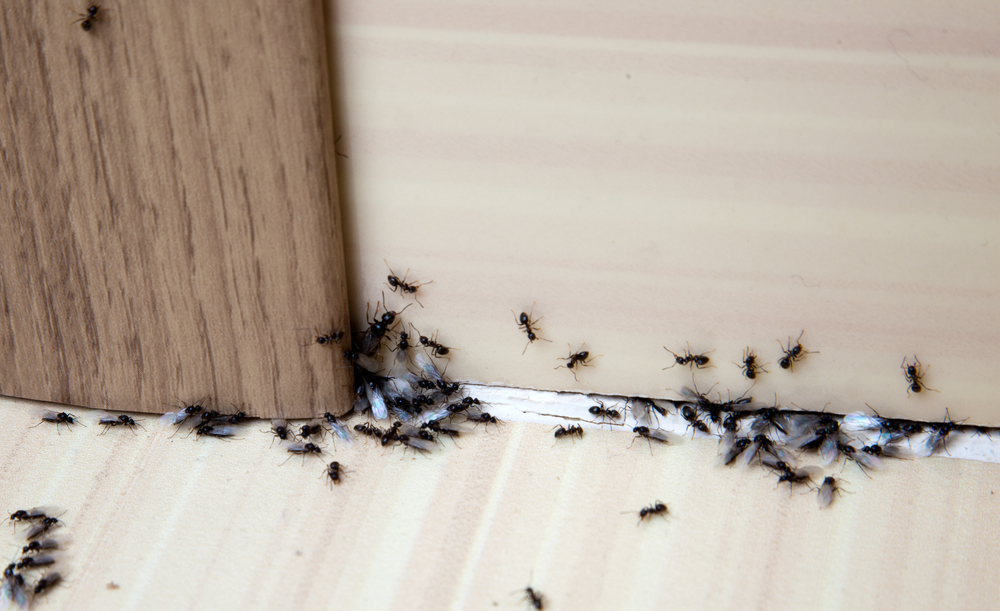

Dealing with ants in your home can be a frustrating experience. These tiny invaders are not only a nuisance but can also pose a risk to your property and health. Typically, ants enter homes in search of food and water, particularly during warmer months or periods of drought.
Effective management requires understanding their behaviour and the environmental cues that attract them indoors. From natural deterrents to professional extermination techniques, there are several strategies to address an ant problem.
This article will explore a variety of methods to help you regain control of your living space and keep it ant-free.
Key Takeaways
- Learn why ants invade homes to effectively prevent and manage infestations. They search for food, water, and shelter, making our kitchens and cracks in the home perfect entry points.
- Identify the type of ants in your home, such as Argentine Ants or Carpenter Ants, to tackle the problem correctly. Each type has unique habits that require different management strategies.
- Seal up your home by filling cracks and gaps around doors, windows, and other entry points with silicone caulk to stop ants from getting inside.
- Use natural deterrents like vinegar or cinnamon around potential entry points to keep ants away without resorting to harsh chemicals.
- If ant problems persist despite your efforts with DIY solutions, it’s wise to call a professional pest control service for help. They can offer more powerful solutions tailored specifically for the ant species troubling you.
Identifying and Understanding the Ants in Your Home
Identifying and understanding ants in your home is crucial for effective pest management. By learning about the reasons for ant invasions, such as their search for food or water sources, you can take proactive steps to mitigate these attractions.
Familiarising yourself with the types of ants commonly found indoors, such as carpenter ants, sugar ants, and fire ants, will help you recognise potential threats and understand the specific behaviours of each species. It is also important to discover how they enter your living space, often through small cracks, crevices, and other openings around doors and windows.
With this knowledge, you can implement targeted strategies to seal entry points and create barriers. Understanding these aspects not only helps in effectively managing any current ant infestations but also in preventing future occurrences. Armed with the right information and strategies, you can maintain a cleaner, ant-free home environment.
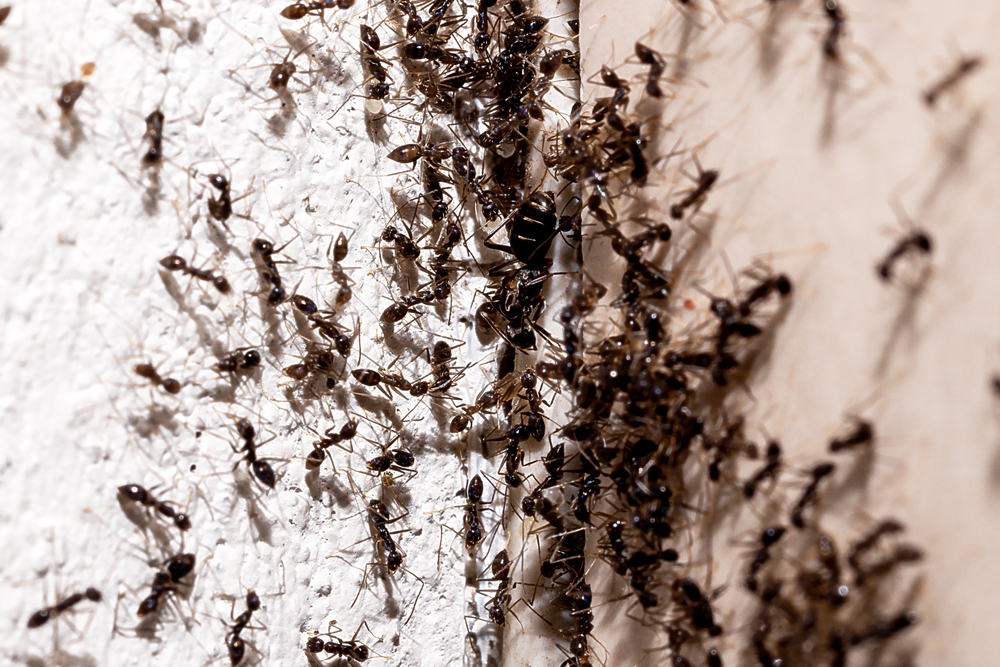
Reasons for ant invasion
Ants invade our homes for several reasons, all of which are linked to their survival and expansion. They’re constantly on the hunt for food and water, making our kitchens prime targets for their relentless search.
Spills, crumbs, and uncovered food attract them like magnets. Beyond sustenance, ants seek shelter from outdoor conditions. Our homes offer protection against predators and extreme weather, providing a perfect environment for them to thrive.
Managing an ant infestation starts with understanding why they’ve chosen our home in the first place. We also contribute to ant invasions without realising it by inadvertently creating entry points. Small cracks in walls, windowsills, or doorways serve as gateways for these tiny invaders.
Their social nature means that once one ant finds a suitable spot within our house, pheromone trails will lead countless others to follow suit. This behaviour is key to both their success as colonies and the difficulty we face in managing household pests effectively.
Types of ants commonly found in homes
When dealing with ant invasions, it’s essential to know the types of ants commonly found in homes. Here’s what you need to be aware of:
- Argentine Ants: These small, light brown ants are known for forming large colonies and are often found near food sources and moisture.
- Carpenter Ants: These larger ants can cause structural damage as they nest in wood. They’re typically black or red and most active during the night.
- Odorous House Ants: These dark brown ants emit a distinctive smell when crushed and are often attracted to sweet substances in your home.
- Pavement Ants: These small, dark ants nest under concrete slabs and similar structures, frequently entering homes in search of food.
Understanding these different types of ants can help in identifying and addressing specific infestations effectively.
How ants enter your home
Ants can enter your home through tiny cracks in walls, gaps around windows and doors, or even via plumbing and utility lines. They are adept at finding small openings to infiltrate your living space.
Once inside, ants leave a trail of pheromones for others to follow, leading to an infestation if not addressed promptly.
Inspecting the exterior of your house for potential entry points is crucial in preventing ant invasions. Sealing off any cracks and crevices with silicone caulk can help keep these minuscule invaders at bay.
Dealing with Ants in Your Home
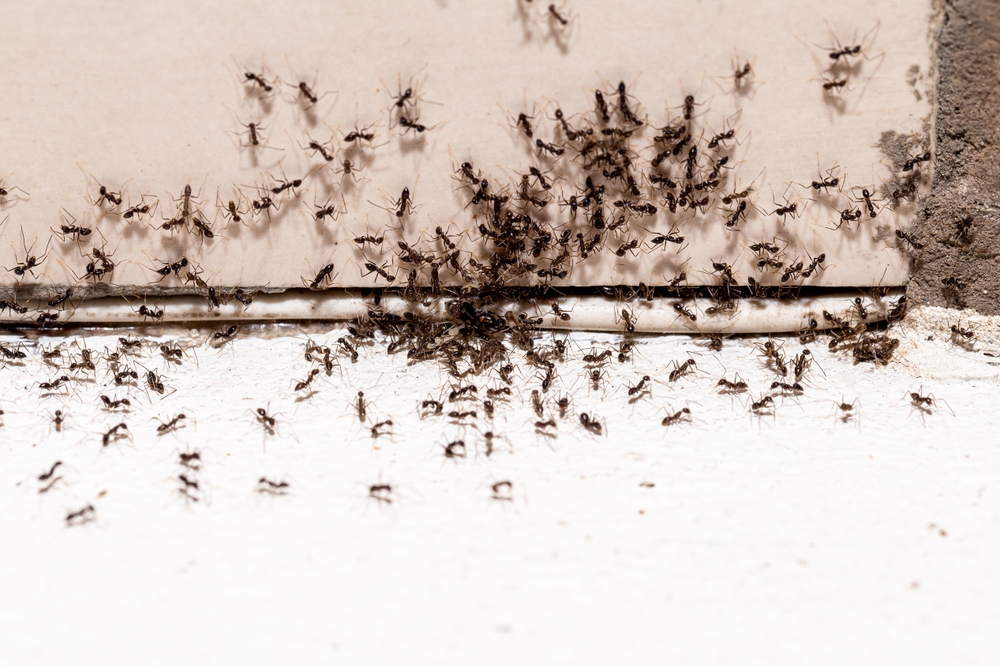
Dealing with ants in your home effectively often begins with implementing prevention methods that keep these pests at bay. Ensuring that food sources are sealed, minimising standing water, and maintaining general cleanliness can greatly reduce the likelihood of attracting ants.
Additionally, using DIY solutions such as natural repellents like vinegar or essential oils can help deter their presence by creating unfavourable conditions for them. For instance, sprinkling diatomaceous earth along entry points disrupts ants’ ability to navigate and can be an effective method of control.
However, when these methods do not suffice and you find the infestation growing or becoming unmanageable, calling a professional pest control company becomes a necessary step. Professionals have access to more potent treatments and comprehensive strategies that can address the problem at its source, ensuring a thorough resolution.
By balancing both preventive measures and professional intervention, you can effectively manage and ultimately eradicate the presence of ants in your home.
Prevention methods
When dealing with ants in our homes, it’s essential to implement effective prevention methods to keep them at bay. Here are some strategies that we can employ:
- Seal cracks and crevices around doors and windows using silicone caulk or weather stripping.
- Keep food stored in airtight containers and clean up spills and crumbs promptly.
- Trim trees and shrubs away from the house to prevent ants from using them as a bridge into our homes.
- Use natural ant deterrents such as vinegar, cinnamon, or citrus peels in areas where ants are likely to enter.
- Maintain a clean environment by regularly sweeping floors, wiping down countertops, and taking out the garbage.
By implementing these prevention methods, we can effectively discourage ant infestations in our homes.
DIY solutions
Dealing with Ants in Your Home
When it comes to DIY solutions for managing ants in your home, we have some effective methods to share. Here are some practical tips for addressing the issue of tiny ants in your house:
- Keep surfaces clean and dry: Wipe down kitchen countertops, tables, and floors to eliminate any food residue that may attract ants.
- Seal entry points: Use caulk to seal cracks and crevices where ants may enter your home.
- Ant deterrents: Sprinkle a line of cinnamon, pepper, or citrus oil at entry points and around food storage areas as these scents repel ants.
- Vinegar solution: Mix equal parts water and white vinegar to create a spray for wiping down surfaces and spraying ant trails.
- Diatomaceous earth: Sprinkle this natural powder in areas where you notice ant activity; it dehydrates and kills ants on contact.
- Borax bait stations: Create a mixture of borax and sugar, then place it in areas where you’ve seen ant trails; the ants will carry the mixture back to their colonies.
By implementing these DIY solutions, you can take proactive steps towards combatting the problem of tiny ants in your home.
When to call a professional pest control company
If DIY methods fail to eliminate the ant infestation, it is advisable to seek professional pest control services. Professional pest inspectors can identify the ant species, locate colonies, and provide tailored solutions for effective eradication.
Pest control companies have access to potent insecticides and specialised equipment that effectively targets ant colonies without endangering your household. When an ant infestation becomes overwhelming or persists despite your efforts, consulting a professional exterminator can save you time and effort in achieving long-term relief from ants in your home.
Take Proactive Measures Against Ants!
Dealing with ants in your home can be a real challenge. Identifying the types of ants and understanding their behaviour is crucial. Prevention methods, DIY solutions, and knowing when to call professionals are all part of managing an ant invasion effectively.
We must stay vigilant and take proactive measures to keep our homes free from these pesky invaders.